

The Medicine Bowl
Sacred healer
Tribes travelled to access the skills of tohunga known to appease human worries with spiritual intervention from ancestors and tupuna on the other side.
The old healer used their hands to find the ailment in the body. Karakia opened the person's lifeforce so the healer could see the soul's path forward beyond sickness. Song soothed the soul during the journey.
Faith and hope came naturally for Maori when someone needed healing. The family would connect with the tohunga let them know the problem and direction to return on to the path of life would be given. Families brought gifts to appease the ever living behind the tohunga door.
Those tohunga who could connect with such wairua were able to find solutions whether personal or tribal.
Many healers and tohunga lived a lonely life during pakeha settlement as the influence of christianity was against their priestly practises.
Gifts from Tane
The oldest story of a medicine bowl tells of Tane's journey to claim the three baskets of knowledge and the 2 stones from the 12th heaven. Whiro battled against Tane seeking the basket of evil.
Tane returned with his taonga putting all within the wharekura walls reflected in the stories from the carved wharenui today.
Combining talismans and whakapapa as their guide a healer trained by the wharekura could feel their way through the heavenly worlds of Poutama where spirit travelled without body.
This pathway required knowledge from all baskets and both informal and formal stones of Tane to rite wrongs of sickness in the tribe or land.
Diverse knowledge stories and skills steeming from Tane carry through bloodlines of old tohunga at many levels.
The tree as a pillar in the forest ensured Tane's presence on earth is acknowledged as a living atua.
Special karakia before choosing a tree to make a waka or vessel is passed down orally at the time of action so only those invited were able to navigate Tane's unique rituals and customs.
A balanced connection with the earth and sky to heal and guide people could be simple for great tohunga. A prayer, a native leaf boiled for a drink or a swim in hot volcanic springs, could lighter wairua and in turn increase mauri in their body.
A medicine bowl has its own wairua gained from usage and knowledge when passed down from its previous owners.
In the early years for Maori these vessels were carried during migration like the small archaic kumara rocks named after ancient atua for good harvests.
Medicine people
Mana follows an intricate path in a woven tribal system based on the living spirit of a healer family. If you came of tohunga lineage you could draw upon the mana of your ancestors more easily than a novice finding their sacred feet on land.
The energy of rituals and customs created for spiritual acts was sourced on historic homelands.
Woven in waiata and karakia mapping the land. Then handed down orally with special tone from feet upon the papakainga ensuring Te Ao Tapu the eternal thread continued.
Tracking Rangatira blood lineage was the natural order of strengthening spiritual whakapapa for the old Maori. Modern Maori today see all as rangatira but not the old ones who truely understand the lifeforce of blood.
The birth in a family was a joyous and meaningful occasion for the papakainga as each new life brought their own vessel in the shape of the afterbirth.
Few tohunga had access to the full potential of wairua offered by sacred land as ultimately Papakainga land chose the sacred thread path, not the living.
Hei Tiki
Hei Tiki an archaic polynesian symbol of lifeforce and great mana across Oceanic archaeology. Recreating herself in artistic mediums as a sacred vessel across time continuum.
Her spirit language, the artform of whakairo in feminine form. Representing rebirth and the wairua of woman hei tiki can be seen in artforms throughout southern america coastlines dating back way beyond christianity and islam.
Island medicine
Mokoia Island held many bush medicines including the volcanic hot springs at the base. Hinemoa's pool too hot to step in today was a place of love and romance as medicine for those generations to come.
Old chiefs gathered mauri by karakia to the island from within the hot pools as they acknowledged a great provider and protector of te motu. Today the island is a vessel for rangatahi learning the art of war whilst family visit regularly for the day. At night nature sets the sound and if need be so do the old spirits of another time.


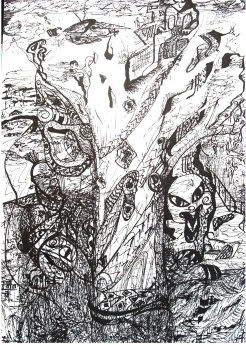


Karakia mea wai
Prayer is one permanent weaving peg of Maori linking all our daily practises and customs to nature.
Each generation pass down these prayers from their forebears that can open the gates of Poutama to connect with our heavens for tribal wellbeing and guidance.
We place water inside our medicine bowls to enhance the pure powers of its lifeforce. As living energy it connects and cleanses spirit whether human or object they are sealed with karakia and water.
To whakapapa many generations before us the old people were so connected to their papakainga landmarks their names were more important than the descendants above them and in chant mediums the waiata naming them like E kimi noa ana have life infinite.
The leaves of karanga around the head during both hui and tangi is tapu. When performing for manuhiri nature comes to life with karakia offering the wearer as a conductor for their natural energy in the spirit world.

The greatest karanga use the tone of voice to distinguish a weaving of natural force upon those they face. They go straight for the soul with only word and voice facing those who look back.
For Tohunga there were many ways and tools to see, heal or navigate the worlds of Maoridom and its genealogies. The old tohunga used the karanga to openly ride the waves of another Maori dimension. This practise shows the equality between male and female like two threads weaving in and out. However it is a female voice who sounds the first carved guardian above her head when visitors arrive.

Feeding funnel
The Feeding Funnel both tool of spirit mahi and practical aperture associated with the tohunga tree.
A medicine bowl of Ta Moko and witness to the sacred line between the living and spiritual mahi a feeding funnel bridged kai with tapu of human touch.
When a tohunga performs for the tribe they are tapu until water and food pass into and over their body.
With crafts of body, action, and resource, wairua becomes a flowing stream of spirt mixed with old knowledge guiding and gracing those who worked the land with the woven energy of tohunga.
Healing with weave
The journey of women weavers came from essential to, medicinal to, the designers of contemporary fabrics today.
The Weaving Pegs remain vessels mirroring the tree stilts of Tama Te Kapua and remembered in old times of pattern making story.
We weave the harakeke around the tupapaku sweetening the final bed of our people passing over. New life is carried in freshly made kete with karakia sealing nature with Maori powers of protection within a tree. All are customs passed down to each generation who follow our plant atua.
Master weavers tell their patterned stories in symbolic geometric styles linking our whakapapa through the land we reap from.
Knowledge is exchanged and learnt along with karakia and stories of great feats by those who wore the garments. We add life by weaving feathers into our mahi in acknowledging the lifeforce of our customs and practices.


